



Here's an article draft based on the prompt, incorporating key elements for clarity and impact:
Eating These Foods Lowers Dementia Risk, Even with Type 2 Diabetes and Heart Disease, Study Says
Maintaining cognitive health is a top priority for many, especially as we age.
A recent study, published in [Insert Journal Name Here], explored the relationship between dietary patterns and dementia incidence in a cohort of participants with and without chronic health conditions. The findings revealed that adherence to a diet emphasizing certain food groups was associated with a notable decrease in dementia risk, regardless of the presence of type 2 diabetes or cardiovascular disease.
Key Dietary Components:
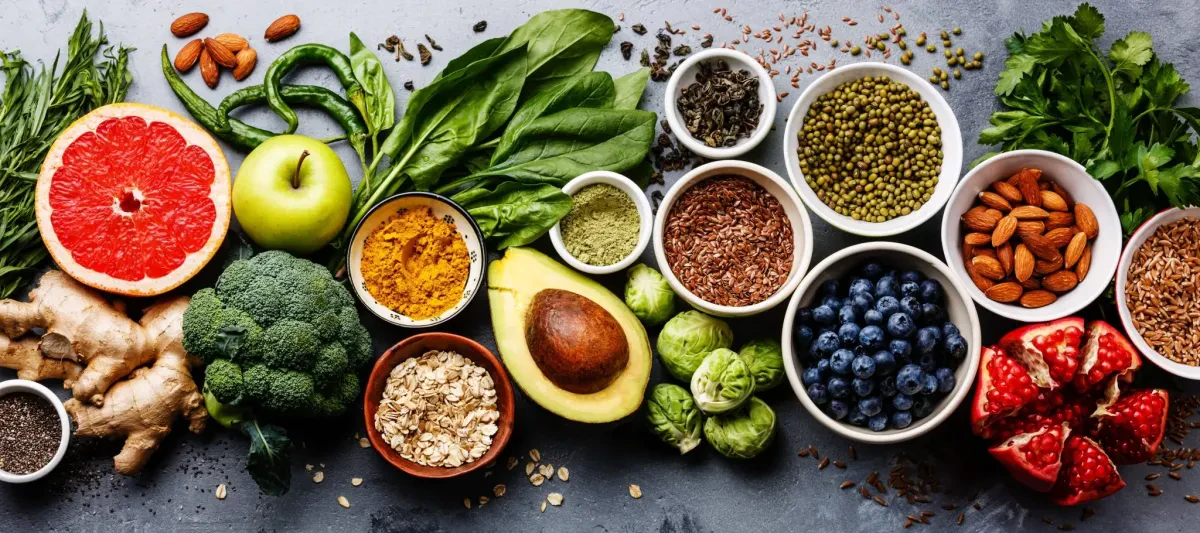
The study highlighted the following food groups as crucial for cognitive protection:
- Leafy Greens: Spinach, kale, and other leafy greens are packed with vitamins and antioxidants, known to protect brain cells.
- Berries: Blueberries, strawberries, and raspberries are rich in flavonoids, which have been linked to improved cognitive function.
2 - Nuts: Almonds, walnuts, and other nuts provide healthy fats, vitamin E, and antioxidants, supporting brain health.
3 - Whole Grains: Oats, brown rice, and whole-wheat products offer sustained energy and fiber, promoting overall health.
4 - Fish: Fatty fish like salmon and tuna are excellent sources of omega-3 fatty acids, which are essential for brain function.
- Olive Oil: A staple of the Mediterranean diet, olive oil is rich in healthy fats and antioxidants, contributing to brain protection.
5
The Impact on High-Risk Individuals:
The study's most significant finding was the protective effect of this diet in individuals with type 2 diabetes and heart disease. These conditions are known to increase dementia risk, making dietary interventions particularly crucial. The results suggest that even with these risk factors, incorporating the aforementioned foods can significantly mitigate the likelihood of developing dementia.
Expert Insights:
"This research reinforces the importance of a healthy diet in maintaining cognitive function," says [Insert Expert Name and Credentials Here]. "The focus on whole, unprocessed foods, rich in antioxidants and healthy fats, provides a strong foundation for brain health, even in those facing additional health challenges."
Practical Recommendations:
- Increase Vegetable Intake: Aim for multiple servings of leafy greens and other vegetables daily.
6 - Incorporate Berries Regularly: Add berries to breakfast cereals, smoothies, or enjoy them as a snack.
- Choose Healthy Fats: Opt for olive oil, nuts, and fatty fish as primary sources of fat.
- Prioritize Whole Grains: Replace refined grains with whole grains for sustained energy and fiber.
- Limit Processed Foods: Minimize consumption of processed foods, sugary drinks, and unhealthy fats.
Conclusion:
This study provides compelling evidence that a diet rich in specific food groups can significantly reduce dementia risk, even in individuals with type 2 diabetes and heart disease. By prioritizing these dietary components, individuals can take proactive steps towards safeguarding their cognitive health and promoting overall well-being. It is always important to consult with your physician, or a registered dietician before making major dietary changes.